A little less than a month ago, I received an unexpected message from someone who got my name from the Simon Family JCC. She was looking for information about Israeli folk dancing.
At first, I assumed she might be interested in joining our weekly rikudim classes, which have been going strong for three years. But as our conversation continued, I realized she was looking for something quite different.
For me, Israeli folk dancing has been part of life for as long as I can remember. Growing up Jewish in South America, rikudim was part of our education. In Jewish day school, we danced from first grade through our senior year of high school. And graduation certainly did not mean graduation from dancing. There were dance groups connected to Jewish clubs, youth movements, groups of friends, school parents, and community organizations.
We danced socially, at celebrations, and at festivals. We danced because it connected us to Israel and to one another.
I have participated in many Israeli dance festivals, even celebrating my first wedding anniversary onstage. My husband was there too — although his contribution to the performance was enthusiastically made from the audience.
So, when someone asks me about rikudim, they are asking about more than a hobby. They are asking about something that has accompanied me throughout my Jewish life.
And that made this invitation even more meaningful.
Roberta Velichko, the woman who contacted me, leads a Christian women’s Bible study group that recently celebrated its 15th anniversary. The group began out of what she describes as a “hunger for God’s word” and grew into a close community of women who met in person each week to study Scripture. When COVID changed the way they could gather, their meetings moved online — and what began as a necessity ultimately expanded their circle. Today, their virtual gatherings bring together women from different parts of the country, including New York, Florida, Michigan, and Connecticut.
Their members come from different places and backgrounds, and their studies frequently explore the historical and cultural context of the Bible, Hebrew words, and Jewish holidays. Her church describes itself as an Eastern Catholic congregation with Hebrew roots, and the Shema is part of its weekly worship.
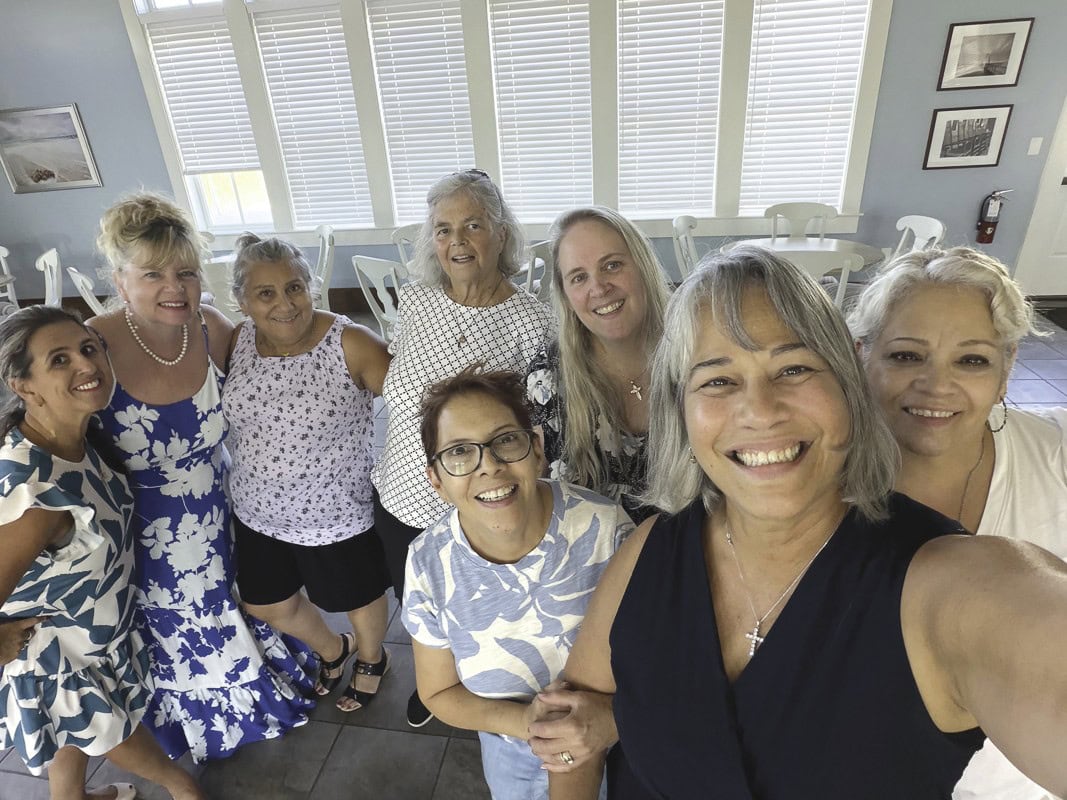
he women were planning a weekend retreat in Virginia Beach — a chance to gather in person, study, pray, talk, and enjoy one another’s company.
Wanting to include something fun and different, they thought of Israeli dancing.
None had previous experience with rikudim. They were simply curious and wanted to experience a small piece of a culture they had encountered through Scripture.
Suddenly, what initially sounded like a request for a dance instructor felt like something much bigger. I had the privilege of being a bridge.
The timing could hardly have been more complicated. The invitation arrived right in the middle of the Jewish holiday season, when our calendars seem to develop lives of their own. But somehow, we found a window. Just a few hours before Shabbat, I joined the women during their retreat.
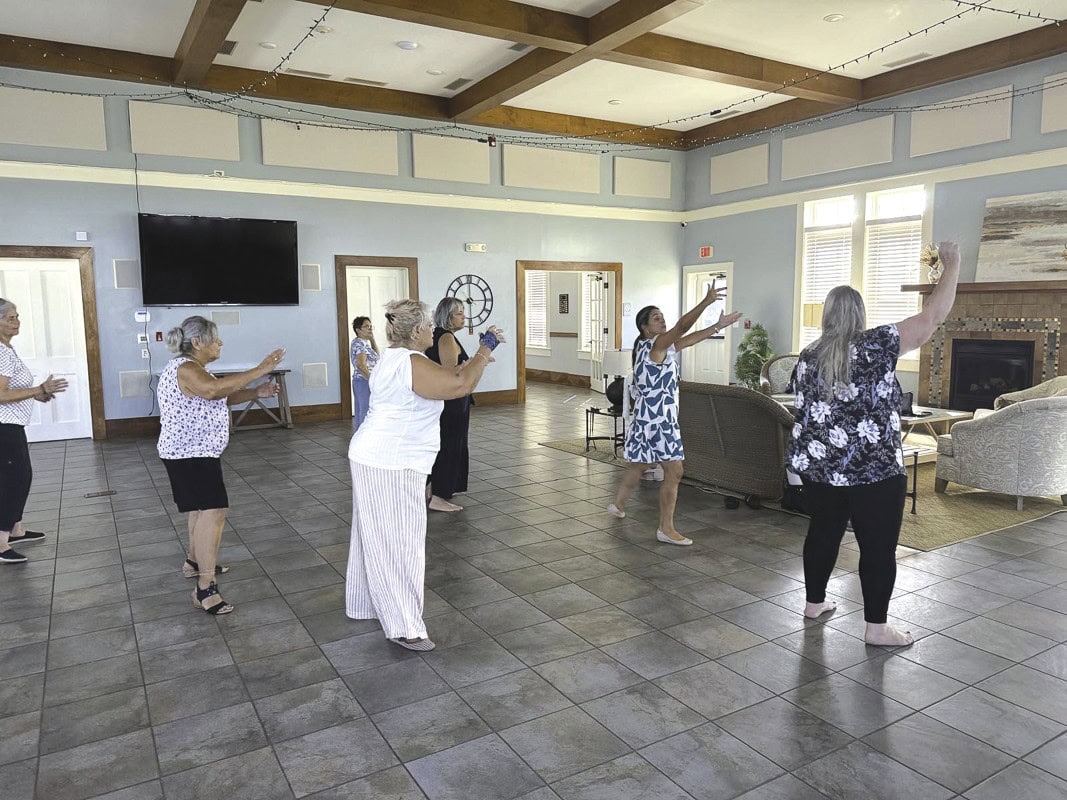
And we danced.
We began, of course, with some context. Israeli folk dance is not simply choreography set to Hebrew music. The dances carry stories. The songs have words and meanings. Some come from biblical texts and prayers; others speak about Israel, love, hope, community, and the experience of building a shared culture.
Then came the movement.
Hands joined. Steps were learned. Mistakes made. Laughter was heard. Slowly, people who had never danced Israeli folk dance before were moving together in a circle.
And that circle stayed with me.
There is something powerful about the circle in Israeli dance. There is no front row. There is no most important person. We hold hands, we move together, and when someone loses the step, the people beside her help bring her back in.
For a little while that afternoon, our circle became wider.
It reached beyond a Jewish school, synagogue, or JCC. It included women who had come with genuine curiosity and respect, wanting to understand something that matters deeply to us.
At the end of their retreat, their leader wrote to thank me, noting that during their final sharing, nearly everyone mentioned how blessed they felt by the Israeli folk dancing.
We spend so much time thinking about how to preserve Jewish identity within our own community — and rightly so. We teach our children, celebrate our holidays, sing our songs, tell our stories, and work to ensure the next generation knows where it comes from.
But there is another beautiful responsibility: opening the circle.
There is tremendous joy in sharing our culture with people outside the Jewish community who approach it with curiosity, affection, and respect.
Sometimes that happens through a conversation, food, music, Hebrew, or a holiday celebration. And sometimes it happens when a group of women joins hands and tries to figure out which foot goes where.
For me, Israeli folk dance has always been about more than steps. It is culture, memory, community, and connection. It is one of the ways I learned to love Israel and Am Yisrael before I had the words to explain that love.
Last month, for one afternoon in Virginia Beach, I had the privilege of sharing a little of that love beyond our own community.
Perhaps that is one of the most meaningful things we can do with our traditions: cherish them enough to preserve them, live them proudly enough to make them visible, and open our circle wide enough to share their beauty with others.