“Electrifying,” is how Annie Sandler, JDC president, enthusiastically describes Buenos Aires and other parts of Argentina.
One of her first trips as president of JDC, the leading global Jewish humanitarian organization, was to travel to this South American capital city. “I had always wanted to go, so I went right away when I became president,” she says. The Jews there, she says are “incredibly proud people – they’re proud about their country, they’re proud about their Judaism, they’re proud about their support of Israel.”
More than 250,000 Jews currently live in Argentina, with 85% of them living in Buenos Aires, and the remaining 15% living in smaller close-knit communities in provinces, which are located outside of the capital city. The country is home to the sixth largest Jewish community in the world, and the largest in Latin America.
While the Jewish community went from being very wealthy to standing in soup lines and back, it continues to be vibrant with active congregations, a thriving Day School, camps, and young leadership programs – many assisted by JDC through funding and other means of support – because everything has gotten so expensive in the country, with its high inflation. The community, Sandler says, prides itself on being active and taking care of their elderly, who tend to be healthy. In fact, they have a campus where they take care of their senior citizens.
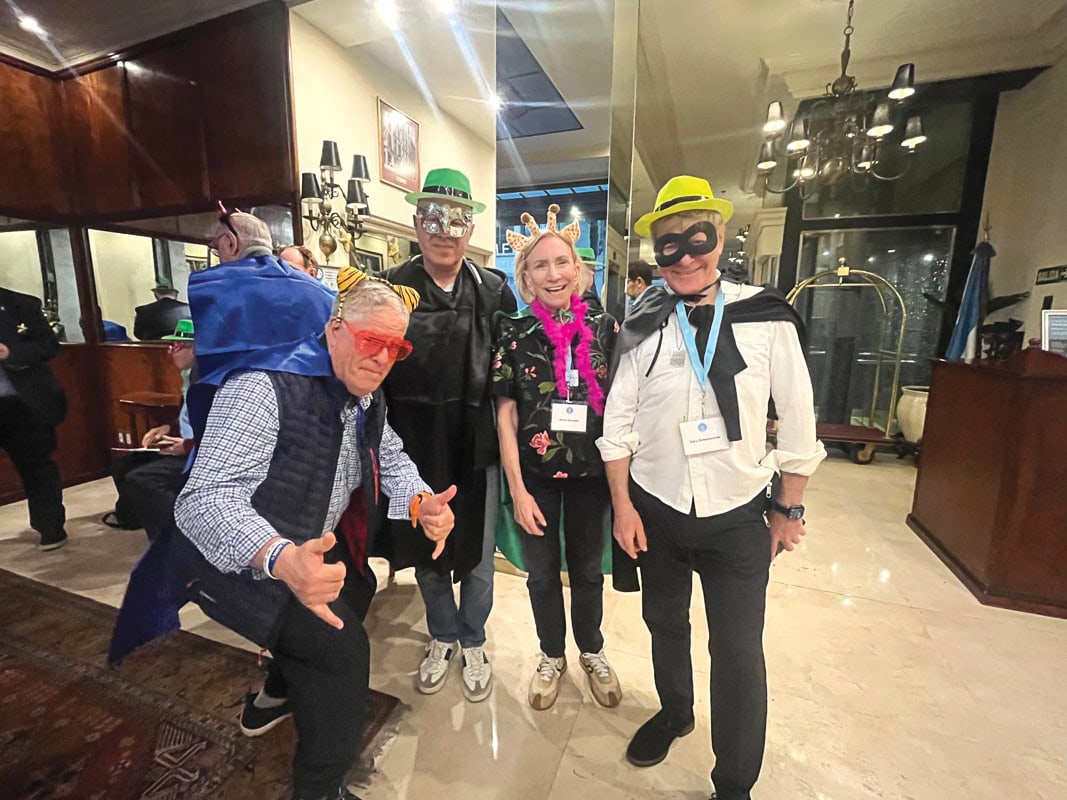
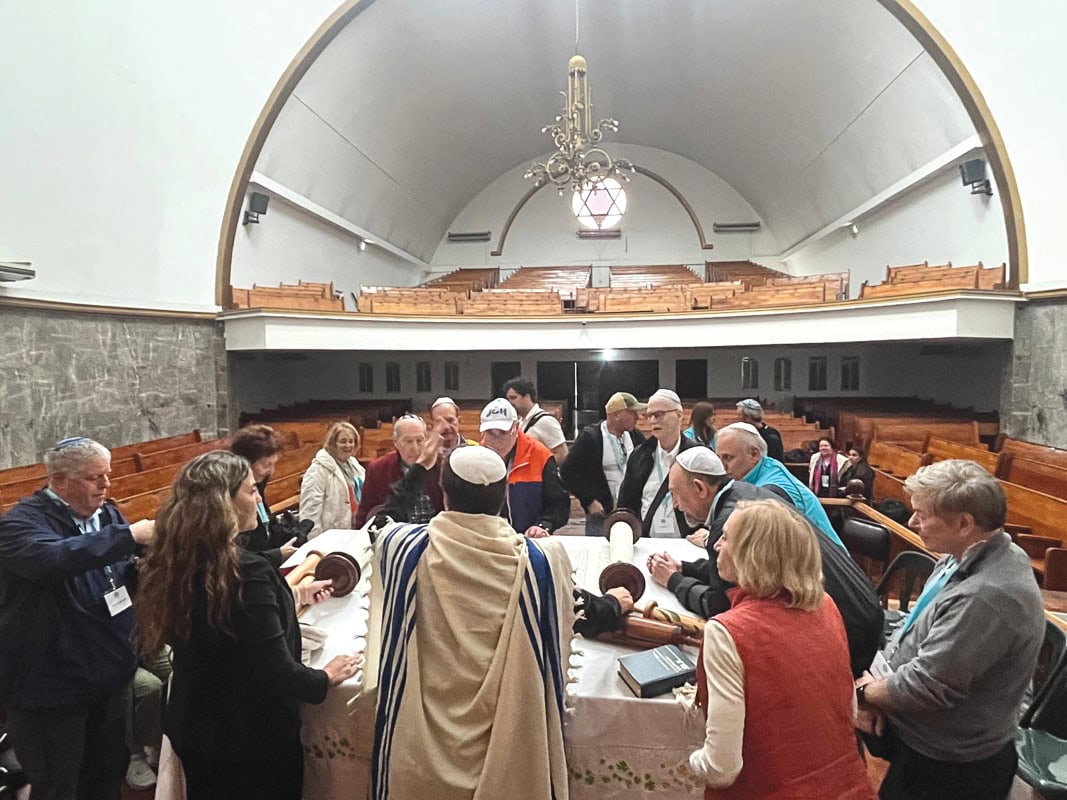
Last year, Sandler visited during Purim, attending a service that was very interactive with three rabbis reading and chanting the megillah. . . . the whole megillah! The reading took hours, she recalls, lasting even through dinner. This shul was on the JCC campus, so moving from the sanctuary area to dinner was smooth and well-planned and timed.
Citing another example of the energetic Jewish life there, Sandler says she participated in Friday night services at a conservative synagogue where approximately 1,000 people attended. “The music was incredible, very melodious, heartfelt, and uplifting. It was a joyous service,” she says, with “lots of singing.”
Overall, Sandler says, “the community has an electric nature; they’re not just Chabad or conservative or orthodox. ..it is all those different things, yet it is a cohesive group.” It is, she says, a blend of Latin spirit and Jewish culture.
The Jewish community in Argentina relies on a regional network of interconnected, Latin American and Caribbean Jewish communities. They participate in Global Jewish life, and it really matters to them, she says.
JDC, which has been in Buenos Aires since 1938, helps ailing older Jews who don’t have enough money. “We care for vulnerable Jews wherever they are,” says Sandler, adding that “the poor that are in the provinces of Argentina really need help.”
JDC works in 14 Jewish communities outside of Buenos Aires. An example of that work took place while Sandler was in the country, in the form of a flashflood in one of the provinces. The very next day, she received a video of a young worker whom she had met the previous day, unloading tractor trailers filled with generators, food, water, and medicine. . . all from JDC, proving again how quick the response is from the humanitarian agency.
“It’s an unbelievable honor to be the representative of JDC,” says Sandler.
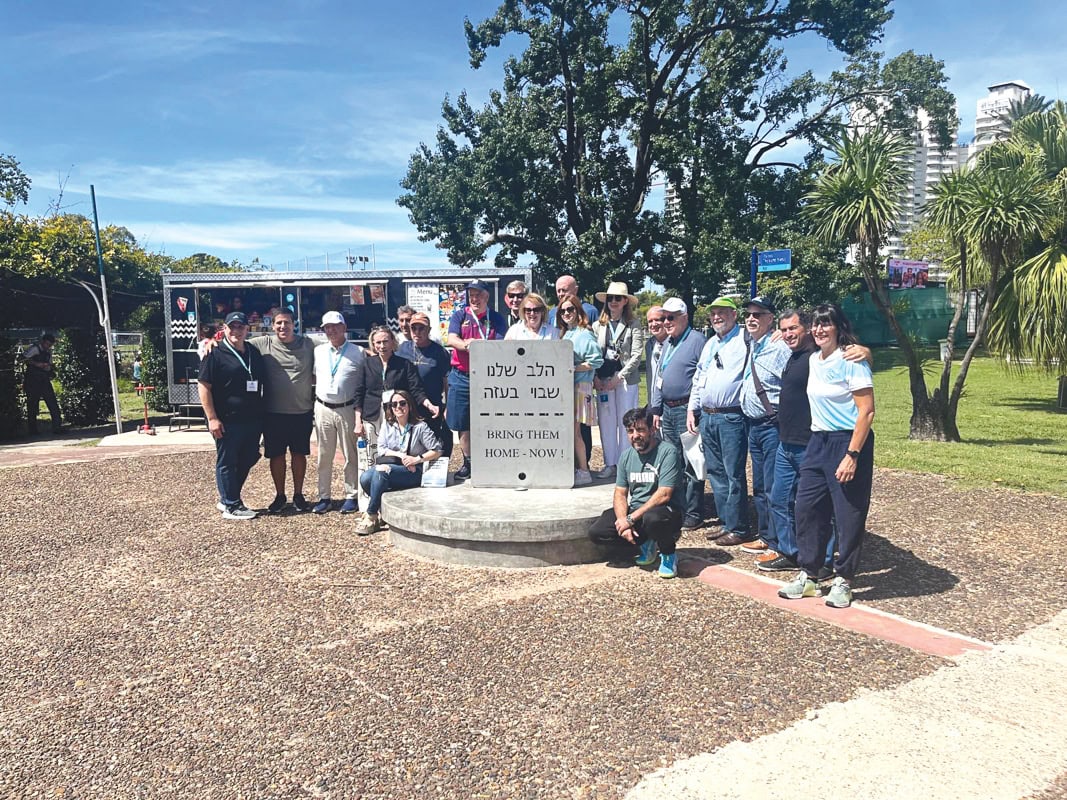
The Argentinian government is also supportive of the Jewish community, Sandler notes. As evidence, 50,000 – 60,000 people showed up at marches for Israel after Oct. 7. “Yellow ribbons and dog tags were everywhere,” she says. It was personal to them. In fact, the dog tags that people wore around their necks were made into free-standing sculptures that were placed all over the city and all over Cordoba, Argentina’s second largest city. The yellow ribbons were even on display at gatherings.
While Argentina is generally safe from antisemitism, there is now, what Sandler says the community calls “a residue of antisemitism from the United States – the antisemitism has transported itself.”
Still the country is an exhilarating place to visit.
There are so many exciting things to do in Buenos Aires, according to Sandler, including exploring the city’s culture, architecture, and lively night life, taking tango lessons, as well as enjoying “the great food and fun. . . . it always feels like a lot of life is happening there,” she says.
“I can’t wait to go back.”
United Jewish Federation of Tidewater’s Women Division has a mission to Buenos Aires planned for March. For information, contact Amy Zelenka at azelenka@ujft.org.