
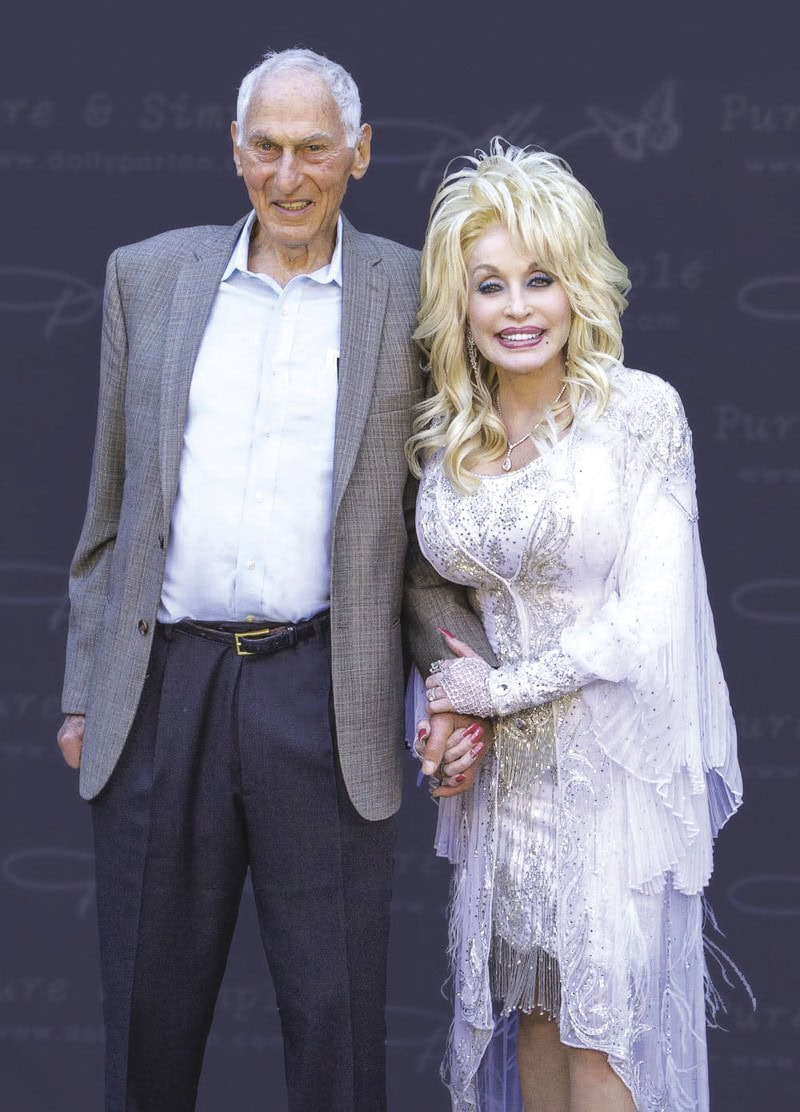
Singer, songwriter, and philanthropist Dolly Parton died Tuesday, August 25 at the age of 80. The outpouring of grief was immediate and universal.
“PJ Library and the Harold Grinspoon Foundation team are sad to learn of the passing of musician, philanthropist, and American legend Dolly Parton. Dolly’s Imagination Library helped inspire Harold Grinspoon to found PJ Library in 2005,” the Foundation posted on Facebook. Parton believed every child should have the chance to fall in love with reading.
“When Harold had the privilege of chatting with Dolly in 2023, she shared the following with him: ‘I am honored to get to help inspire a love of reading in children. They truly are our future.’”
Grinspoon says he remembers Parton as “a truly amazing person – not only a great artist, but a great entrepreneur and philanthropist. We honor Dolly for educating millions, for her remarkable career, her kindness, her art, and especially her generosity.”
“Listen to some great music and read a beautiful storybook today in her memory. We send our heartfelt condolences to her family, friends, and fans. May her memory be a blessing,” the Foundation’s statement concluded.
Parton’s Jewish connections, however, didn’t begin with Harold Grinspoon.
According to an article originally published in The Forward in 2020, in the mid-1970s, her career was at a standstill, and she was ready for a larger audience – beyond Country and Gospel. It was two Brooklyn-born Jewish men who assisted Parton in the leap from Nashville to mainstream stardom. Sandy Gallin, a successful talent agent helped her “crossover” in music and expand into TV, movies, and even her theme park.
“In 1977, Gallin convinced Parton to record a song called Here You Come Again, written by the Jewish husband-and-wife songwriting duo Barry Mann and Cynthia Weil,” wrote Seth Rogovoy, in The Forward, “He brought in another Brooklyn native, Gary Klein, to produce the song and the album of the same name. The single cracked the Top 20 Pop Album charts and spawned her first Top 10 pop hit; the album was her first to sell millions. (Incidentally, her pop success didn’t come at the cost of her country credibility; the song sat atop the Country Singles chart for five weeks.) The song also garnered Parton her first-ever Grammy Award, for best female country vocal. Over the next few years, Klein produced a number of other hits for Parton.”
In her book, Songteller, Parton wrote of Gallin, “We were so close and our relationship was so loving. We were from two completely different worlds, but we just clicked, somehow. He was just one of those friends that you find who you just know are going to be your friend forever.” After Gallin died in 2017, Parton told an interviewer, “Nobody could quite get how the Christian Southern girl and the New York Jewish boy could have so much in common. But it was real.”
There was just something about Dolly Parton that made her friendships, her success, her philanthropy, and her appeal all real and make sense to everyone.