Hunger does not always look how one might imagine. It may be a senior trying to stretch a fixed income, a parent choosing between groceries and a utility bill, or a working family facing unexpected expenses.
According to the 2026 Virginia Hunger Study, 42% of Virginia households experienced food insecurity at some point between May 2025 and May 2026. That means more than four in every 10 households did not always have reliable access to enough food for a healthy life. Among households with children, that number rises to 51% – more than half of Virginia households with children experienced food insecurity during the study period.
In Hampton Roads and on the Eastern Shore, 43% of households experienced food insecurity. Among households with children in this region, the rate rises to 56%. The study also found that 87% of food-insecure Virginia households reported that higher-than-usual grocery prices were placing significant strain on their budgets.
These numbers challenge a common misconception about hunger: that food assistance is needed only by people experiencing homelessness or living in extreme poverty. Food insecurity can affect people from all walks of life. A household can have a home, a job, and a car and still struggle to afford enough nutritious food. When the cost of groceries rises alongside housing, utilities, transportation, and medical expenses, even a carefully managed budget can fall short.
For older adults living on fixed incomes, these pressures can be especially difficult. At Jewish Family Service of Tidewater, the Food Pantry has seen a marked increase in visitors over the age of 60. For seniors managing rising living expenses, the cost of groceries can leave little room in an already limited budget. Access to nutritious food is essential for meeting immediate needs as well as for maintaining health, independence, and overall well-being.
Emily Krouse, JFS Mission Services coordinator, says she sees these challenges as she manages the JFS Food Pantry: “Thankfully, we have had a generous community this year because it has been a struggle to keep our Pantry shelves stocked due to the number of visitors we are getting. A few people have even told us they are trying to pay for their prescriptions, so they needed the pantry’s help to get them through until next month.”
The need extends beyond the pantry’s regular hours and shelves. As the holiday season approaches, JFS is preparing for one of its largest annual community outreach efforts: the Thanksgiving Food Giveaway.
This year, JFS plans to provide Thanksgiving groceries to 300 families, ensuring they have the ingredients needed to prepare a holiday meal at home.
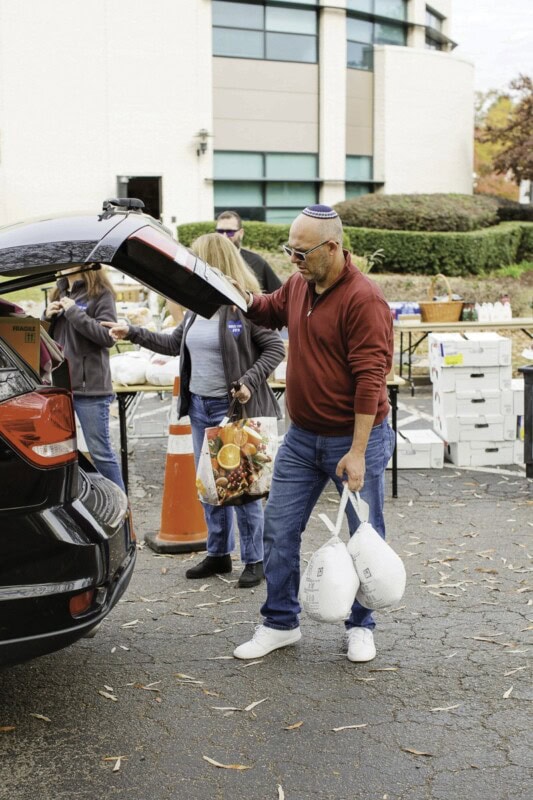
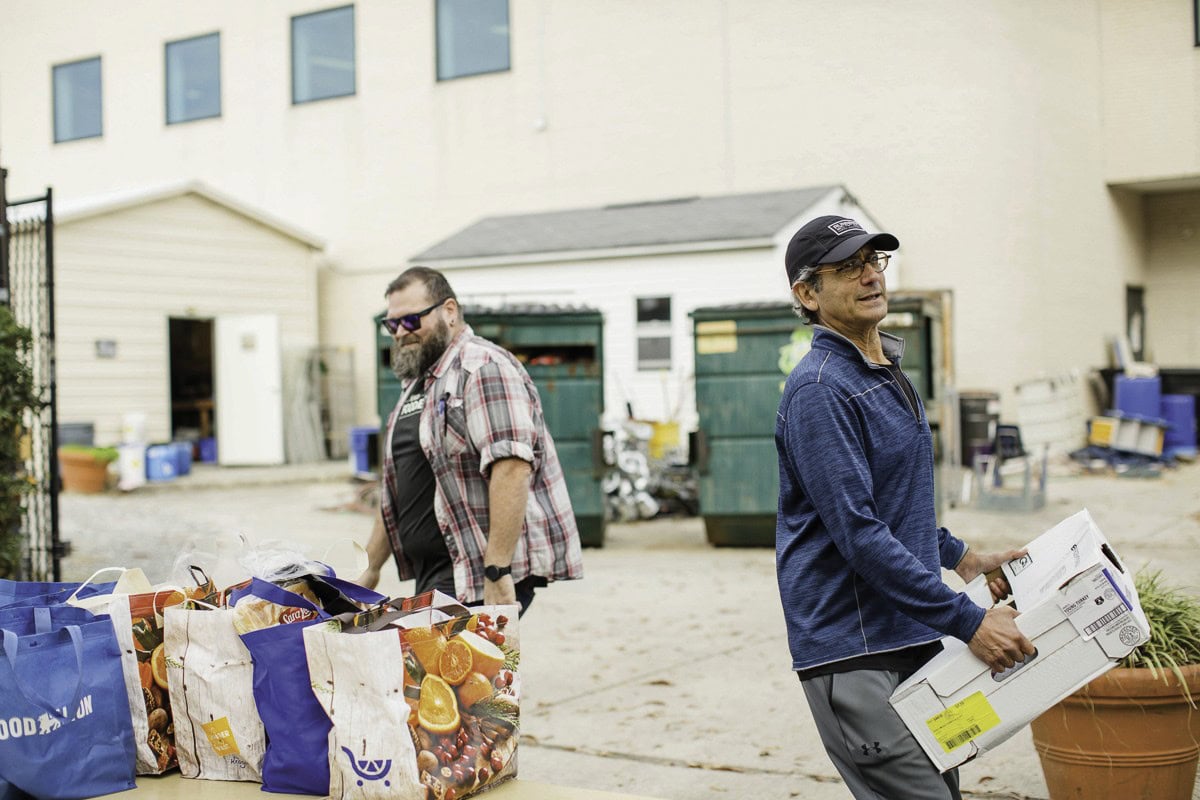
Each family will receive a frozen turkey or chicken, pantry staples, and traditional Thanksgiving favorites, including stuffing, potatoes, onions, green beans, cornbread mix, rolls, small pies, cranberry sauce, gravy, macaroni and cheese, and more.
Years ago, when the drive began, JFS distributed approximately 100 turkeys. Last year, it was 300 turkeys. The growth reflects both the increasing need for food assistance and the generosity of the community that makes this effort possible.
Volunteers who distribute the groceries experience the meaningful impact of the drive when they watch a family’s car being loaded, knowing that a Thanksgiving dinner will be possible.
The gratitude on people’s faces is a powerful reminder that these groceries represent more than a meal. They offer relief from financial pressure, the opportunity to gather around a table with loved ones, and the comfort of knowing that someone in the community cares.
JFS is accepting donations of Thanksgiving food items through November 16.
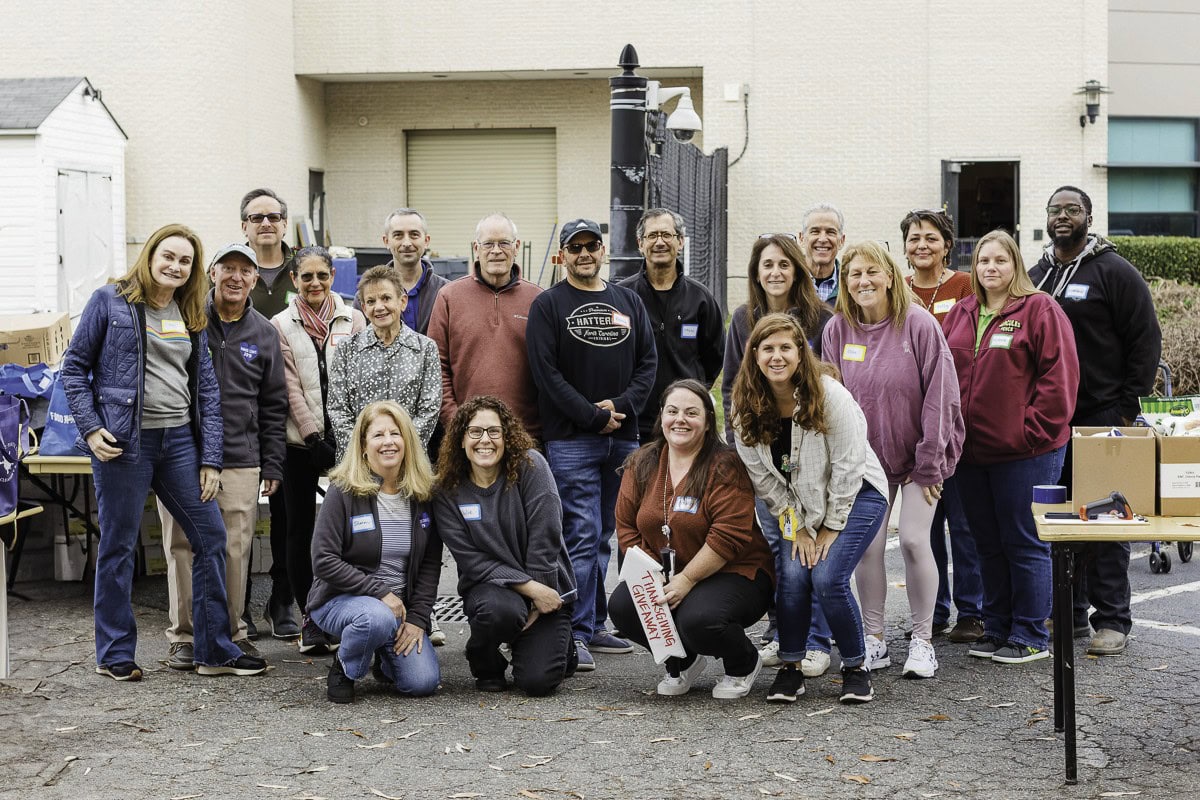
Volunteers are needed to pack Thanksgiving grocery bags on November 17 at the Simon Family JCC and to assist with the Thanksgiving Food Giveaway on November 20, 10 am – 12 pm.
To register to receive a Thanksgiving food package, visit bit.ly/JFSgiving.