Every community has its keepers. As readers explore the congregations and organizations that comprise Jewish life in Tidewater in this issue’s Guide to Jewish Living in Tidewater, it’s worth meeting some of the volunteers who safeguard myriad stories that came before them.
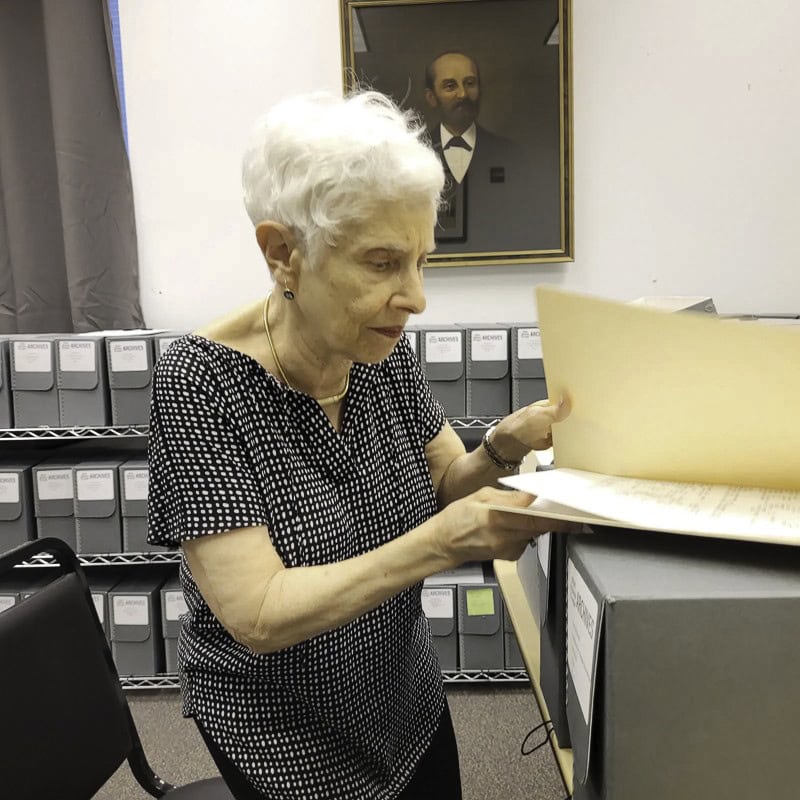
Margaret Sawyer and Alice Titus, co-chairs of Ohef Sholom Temple’s archives, along with their team, spend hours each week exploring and preserving documents, photographs, and oral histories that chronicle nearly two centuries of Jewish life in Tidewater.
Both women devote their Wednesdays to the temple’s archives as volunteers. Their motivation is simple.
“American Jewish history sometimes gets omitted,” says Titus. “Sometimes it’s because people don’t know it. Sometimes it’s because they choose other things to focus on.”
While researching local stories, Titus was struck by how often Jewish contributions appeared only in passing. “You pick up older histories of Norfolk and Tidewater, and they only sometimes mention a Jewish person. They only sometimes mention a Jewish congregation,” she says.
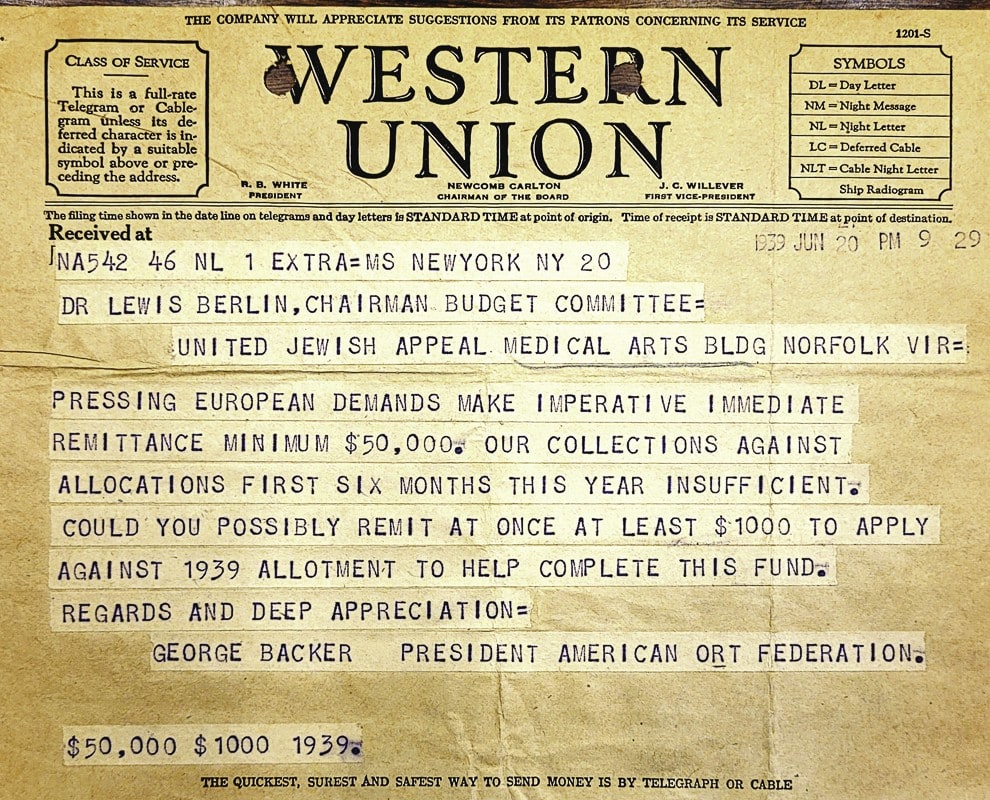
OST’s archives provide a fuller picture of the region’s development by documenting the civic, cultural, and philanthropic roles Jewish residents have played throughout Tidewater’s history.
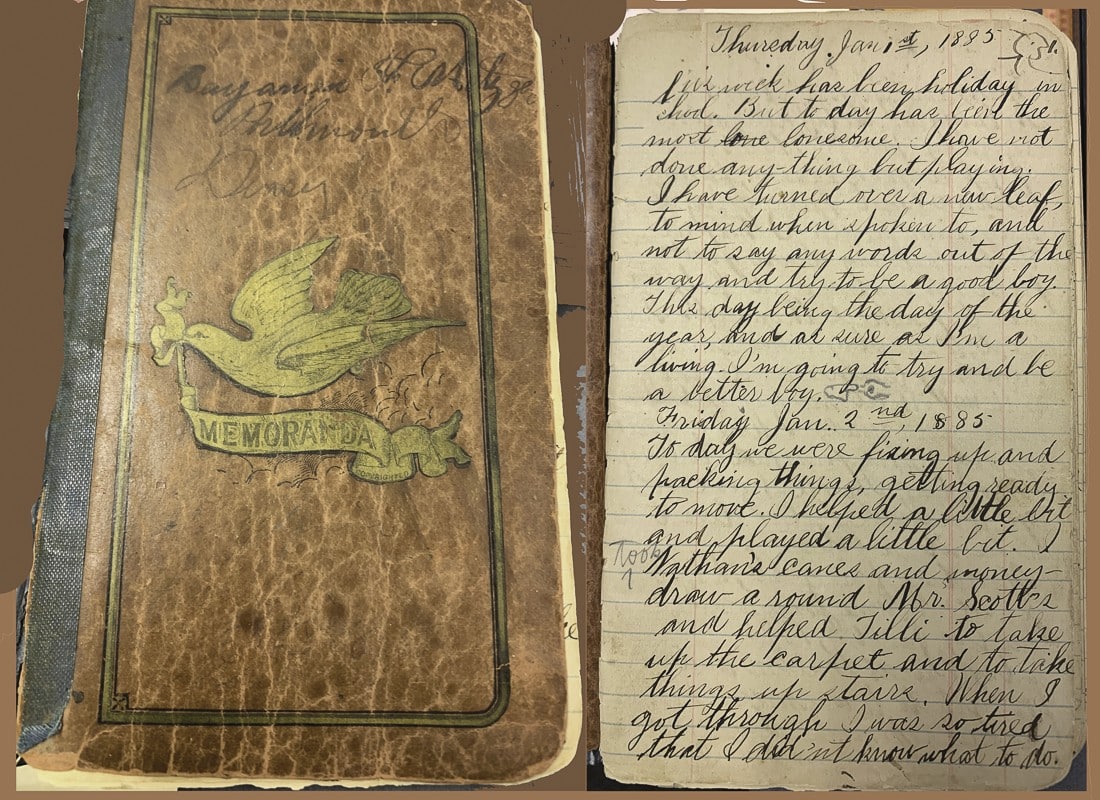
“We’re collecting things that have not been published or mass circulated,” Titus explains. Unlike a library, which houses published materials that can often be found elsewhere, archives preserve unique historical records.
The work is meticulous, but it often leads to unexpected discoveries. Volunteers spend hours cataloging documents, rehousing materials in archival folders, and learning the stories behind each collection.
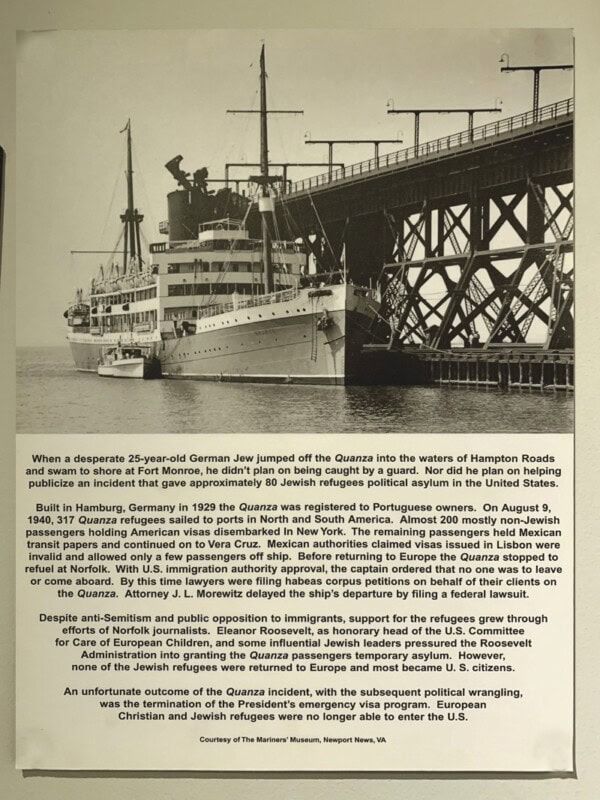
Researchers, filmmakers, authors, and family members regularly turn to Ohef Sholom’s archives for assistance. For example, the archives supported research into the SS Quanza, a ship carrying Holocaust refugees back to Europe that had to stop for coal in Norfolk in 1940. Records preserved in the archives documented the efforts of local Jewish leaders who advocated for the passengers.
“I don’t think there’s ever a Wednesday that somebody doesn’t have an ‘aha’ moment,” Sawyer says of the archives’ team’s regular meeting time. “All of a sudden something jumps out at you.”
In addition to preserving historical records, the archives also connects families to their own history.
One day, while sorting through family records, Sawyer found handwritten notes created decades earlier by a congregant who had passed away, but whose family still belonged to the temple. She made copies and passed them along to the woman’s granddaughter.
“She was in tears,” Sawyer recalls.
In another particularly meaningful case, the archives provided documentation that helped establish a deceased woman’s Jewish identity, allowing her to be buried in a Jewish cemetery in New York City.
Those moments transform routine archival work into something more personal, offering glimpses into lives that might otherwise be overlooked.
Among the collection’s most valuable holdings are more than 40 oral history interviews, preserving the voices and experiences of community members.
Titus and the other volunteers also offer educational programs and presentations highlighting the archives’ collection and efforts.
For Sawyer and Titus, preserving history is about more than organizing old documents. It is about ensuring that future generations inherit stories and hear the voices that shaped Jewish life in Tidewater.