Where Rosh Hashanah brings sweetness and celebration, Yom Kippur asks something different — stillness, honesty, and the harder work of reflection. For young children, that’s a tricky needle to thread. Three local families share how they’ve made it meaningful.
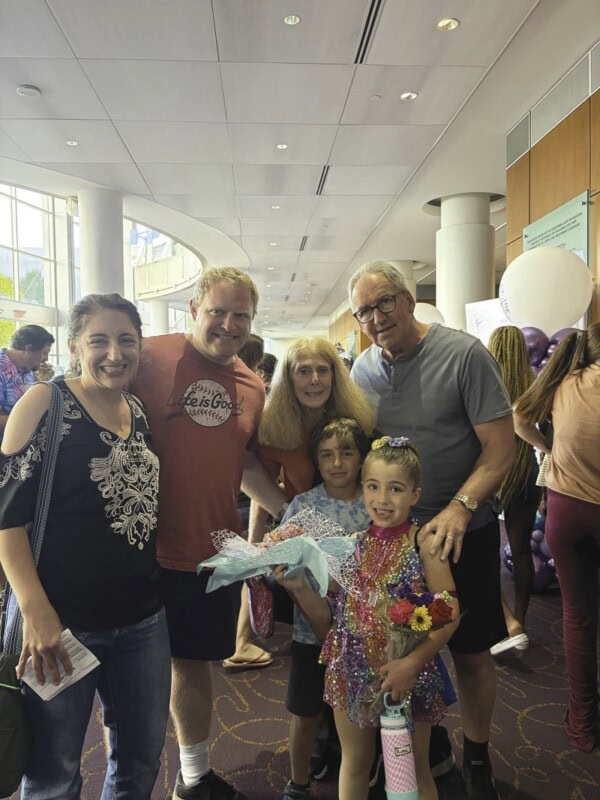
For Jennie Tabakin, a pediatrician and mother to Rivka, 6, and Ben, 8, talking through hard topics with kids is second nature professionally — but she credits her children’s Jewish day school with getting the holiday conversations started in the first place.
“It was a huge help for them to go to Strelitz (International Academy) because the conversation started there, and then it is easier to continue at home,” Tabakin says. PJ Library books, she says, help open the door further, and everyday sibling squabbles — Rivka and Ben “love each other fiercely and fight just as fiercely” — have taught the kids what it means to ask for forgiveness.
The family doesn’t have the kids fast, but a Break Fast hosted by their grandmother is the day’s anchor. This year, Tabakin is considering a different challenge — giving up something other than food for the 25 hours, such as phones.
“Honestly, in 2026 it’s probably harder for many to give up screens than food,” she says.
The family attends services at Temple Emanuel, which Tabakin describes as family-friendly, and pushes back on the idea that services are too serious for young kids.
“Without children, there’s no future in Judaism,” she says. “It’s super important to include them, even if it’s with adaptations and games.”
Not every question at home has an easy answer. A few years ago, her son asked whether Jonah was really swallowed by a whale — sparking a conversation about how adults themselves don’t always agree on whether the story happened literally or was meant to teach a lesson.
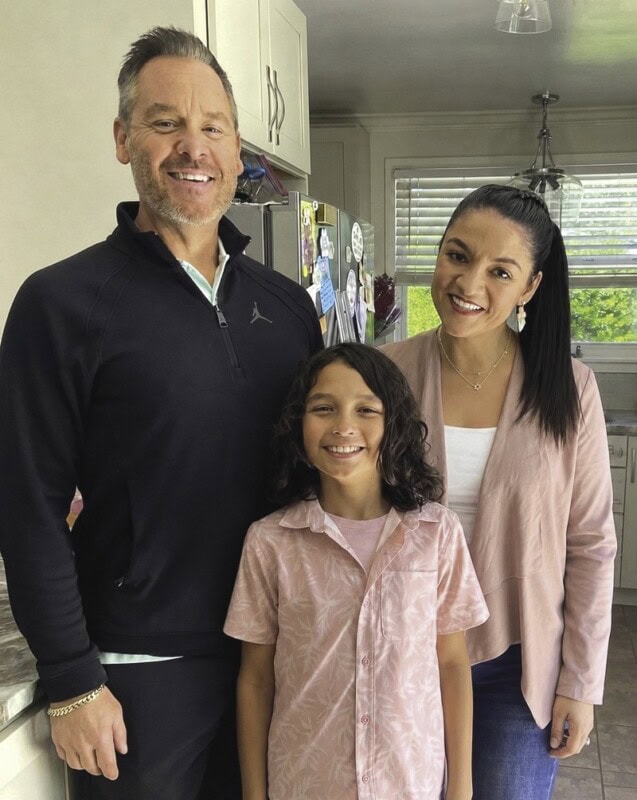
For Nina Kruger, teaching Yom Kippur to her son, Liam, now 10, has evolved over the years. When he was younger, she explained it simply, as a time to “say our sorries.” As Liam has grown, the conversation has deepened.
“We talk about Yom Kippur as an opportunity for reflection — a chance to look back on the past year, recognize where we can do better, and make a commitment to grow,” Kruger says. The family focuses on learning and accountability rather than dwelling on mistakes — values reinforced by Kruger, her partner, Darin, and Liam’s grandfather, Pop Pop.
Liam isn’t yet required to fast, but each year he chooses to challenge himself, going a little longer than the year before — a milestone he’s proud to share with his father in Arizona.
One family tradition carries the holiday’s spirit well beyond the day itself: a nightly “Dark, Light, and Sparkle,” where each person shares something that didn’t go well, something positive, and something to improve tomorrow.
“It encourages us to slow down, reflect honestly, celebrate growth, and set intentions for becoming better each day — and ultimately, better each year,” Kruger says.
The family also finds meaning in Kol Nidre, a service Kruger calls one of the most moving of the year — “gathering in shul with family, friends, and community members, all united in prayer, reflection, and hope for the year ahead.”
Kruger says Liam often surprises her by apologizing for things she wouldn’t consider worthy of an apology — sometimes even on behalf of people who he feels may have wronged her. Looking ahead, she hopes the holiday’s values of reflection, accountability, and compassion become a lasting part of who he is.
For Amy Weinstein, mother to Avi, 11, and Daniella, 9, Yom Kippur centers on services at Ohef Sholom Temple, where kid-friendly, clergy-led family services use storytelling to convey the holiday’s meaning. But for her family, the heart of the day is what comes after: the meal that breaks the fast.
Ten years ago, with a toddler at home and invitations to Break Fast gatherings starting too late in the evening, Weinstein and her husband , Eliot, decided to host their own — building a new tradition with friends who, like them, hadn’t grown up in Tidewater. They started with six families, including their own.
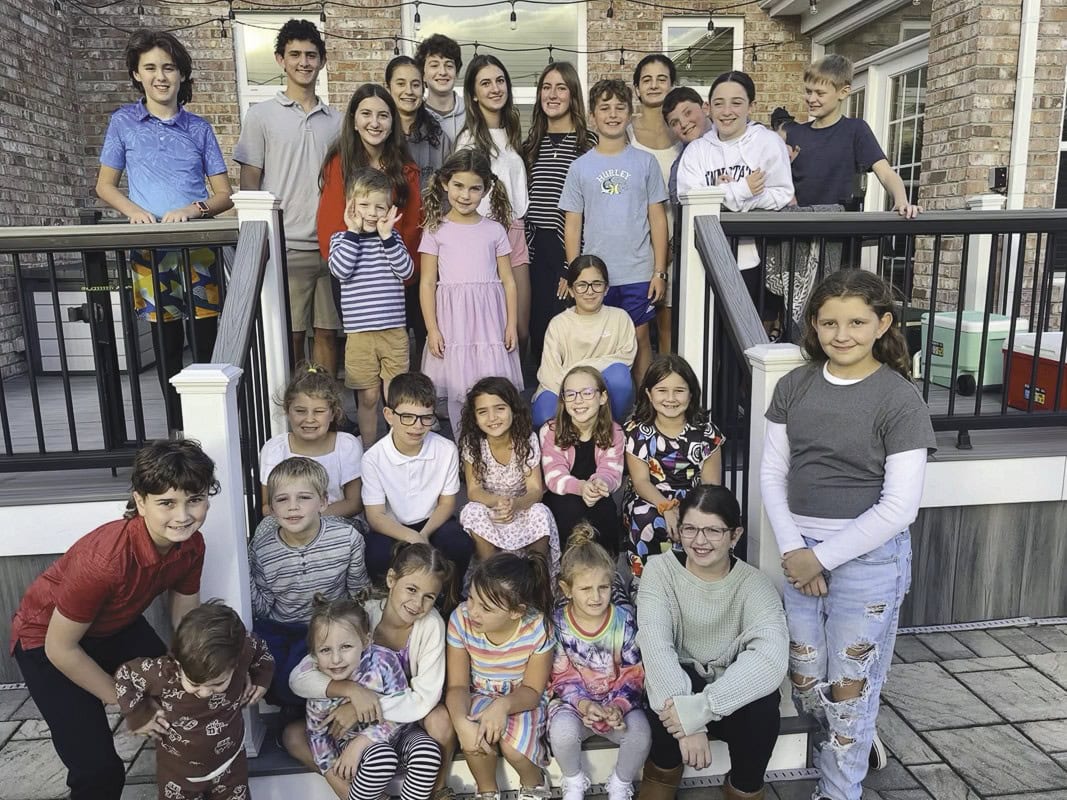
A decade later, the gathering has grown to more than 15 families, including friends who did grow up locally and Weinstein’s own parents, who later retired to Tidewater. The kids in the group have grown up together — the oldest is now a high school senior.
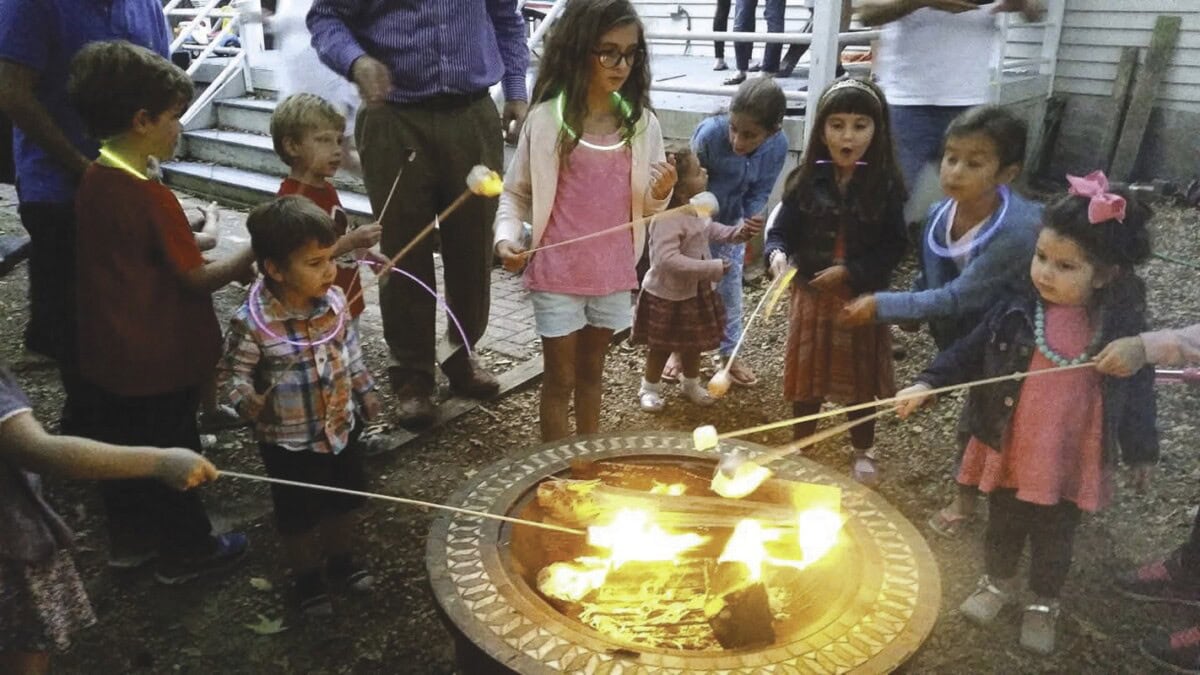
The evening leans non-traditional: arts and crafts, and s’mores once it gets dark. Weinstein’s youngest even took her first steps at Break the Fast in 2019.
“We’ve realized that we want to make sure that our kids and our friends’ kids are making core memories around the High Holidays,” Weinstein says. “Yom Kippur may seem like a strange choice for something that seems so celebratory, but we’re really just interested in creating community.”
For some guests, it’s become the most consistent holiday plan they have every year — “and we are honored by that,” Weinstein says. “Wouldn’t have it any other way.”