As educators prepare for a new school year, many are facing challenges that extend beyond academics. Rising incidents of antisemitism and other forms of bias, increasing polarization, and the need to foster safe classroom communities have made inclusive teaching practices more important than ever.
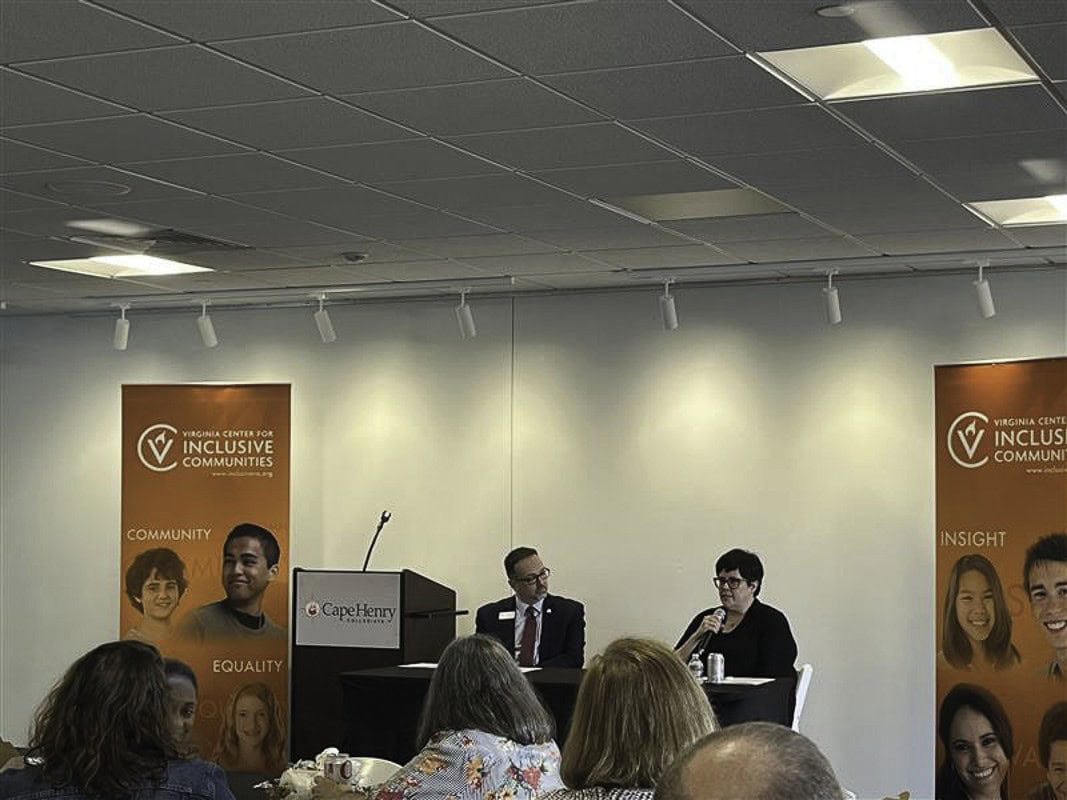
To help meet those challenges, educators from across the region gathered this summer for the 2026 Tidewater Inclusive Educators’ Conference, a partnership between the Virginia Center for Inclusive Communities, the Jewish Community Relations Council and the Holocaust Commission of the United Jewish Federation of Tidewater, and Jewish Peninsula. The conference was made possible through a grant from Tidewater Jewish Foundation, reflecting a shared commitment to strengthening inclusive schools, meaningful Holocaust education, and respectful communities throughout the region.
The two-day conference equipped teachers, administrators, counselors, librarians, and other education professionals with practical strategies for creating classrooms where students feel valued, respected, and engaged. Sessions focused on building positive classroom cultures, addressing antisemitism and other forms of bias, establishing healthy boundaries, and helping students become positive contributors to their school communities.
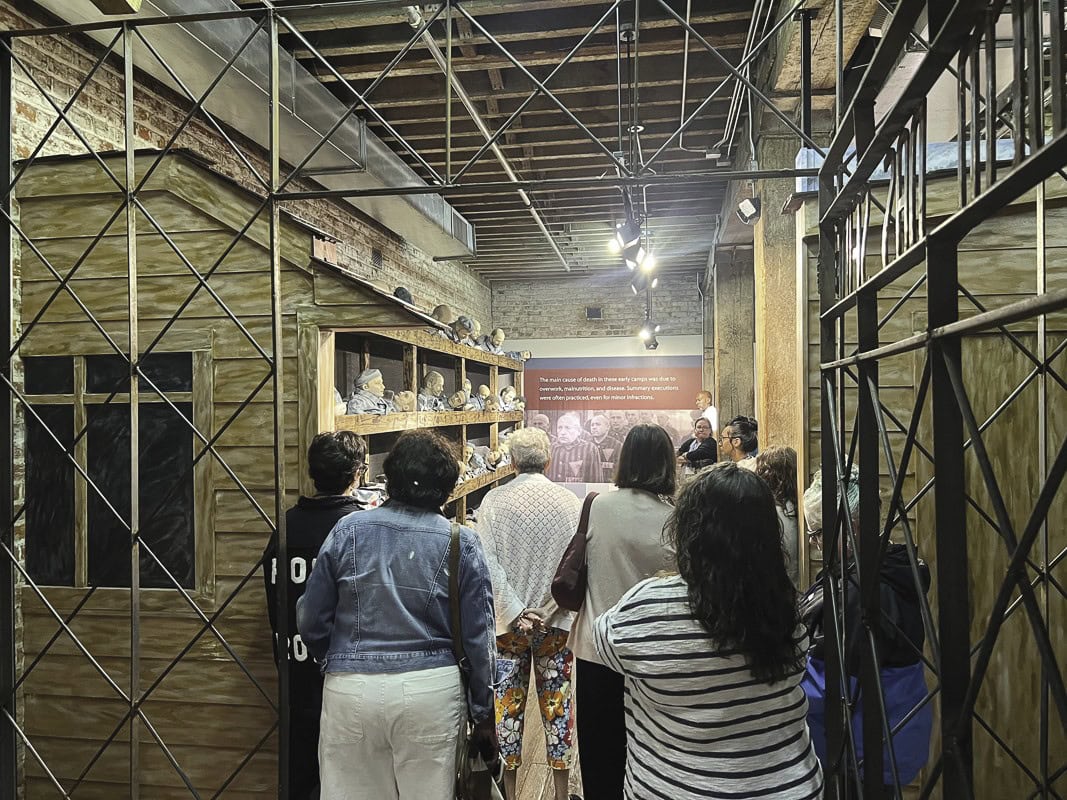
The conference’s second day took participants to the Virginia Holocaust Museum in Richmond where they explored ways to teach Holocaust history in meaningful and engaging ways. Educators examined how Holocaust education can help students understand the consequences of prejudice, strengthen critical-thinking skills, and draw connections between history and contemporary civic responsibility.
Librarian and media specialist Kindra Mosher highlighted ways Holocaust education can be integrated across disciplines, demonstrating how history, language arts, media literacy, and civics can work together to deepen student learning and engagement.
A common theme emerged throughout the conference: creating inclusive classrooms is ongoing work that requires intention, empathy, and preparation. Participants left with new ideas, practical tools, and a renewed commitment to building learning environments where every student feels they belong.
To support that work beyond the conference, attendees were introduced to resources, including VCIC’s Combating Antisemitism and Bias in Schools guide. Available in the resources tab at InclusiveVA.org/programs/belonging, the guide provides educators with strategies for recognizing and addressing bias and fostering inclusive school communities. The JCRC also highlighted its Five-Year Calendar of Jewish Holidays and Observances, a resource shared with school administrators, elected officials, and community leaders to help increase awareness of Jewish practices and avoid potential scheduling conflicts with major holidays and observances.
To learn more about the Virginia Center for Inclusive Communities, visit InclusiveVA.org. To learn more about Jewish Community Relations Council, visit JewishVA.org/JCRC. To learn more about the Holocaust Commission, visit HolocaustCommission.org.
Find the Five-Year Calendar at JewishVA.org/5-Year.