
Jewish community has long extended beyond geography, linking people across continents who often recognize a shared sense of belonging.
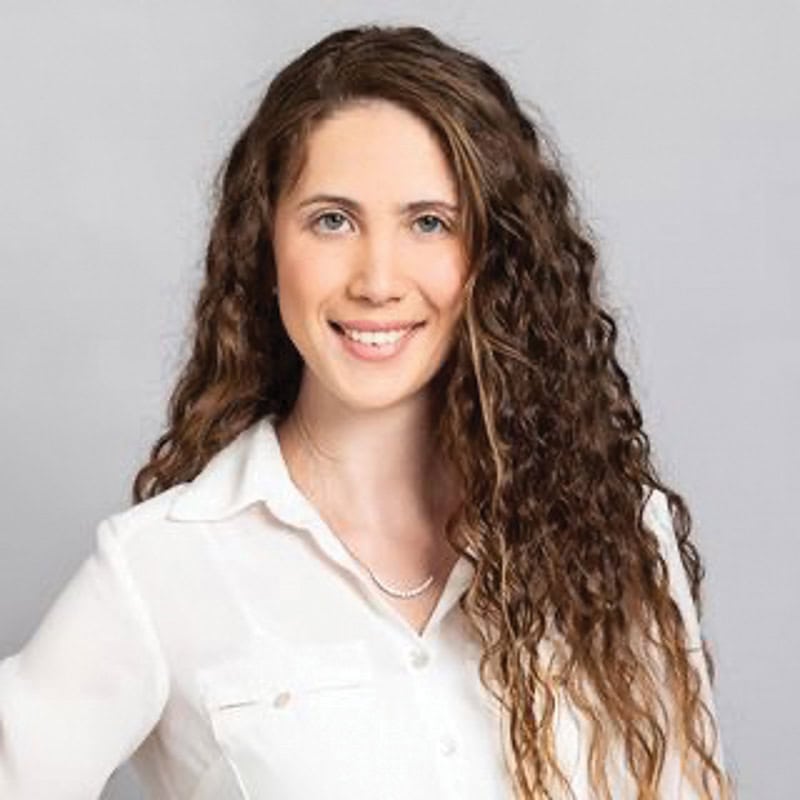
Liora Zerbib knows about this feeling of belonging after spending several weeks with a Jewish host family in Ghent.
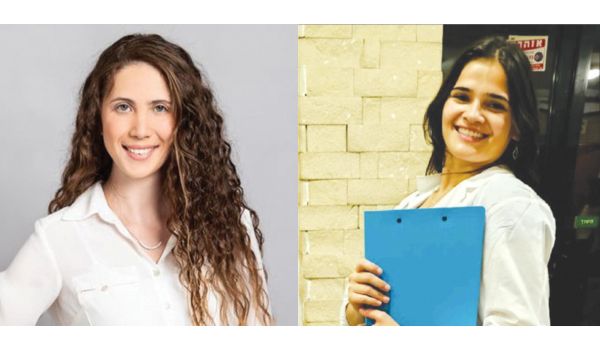
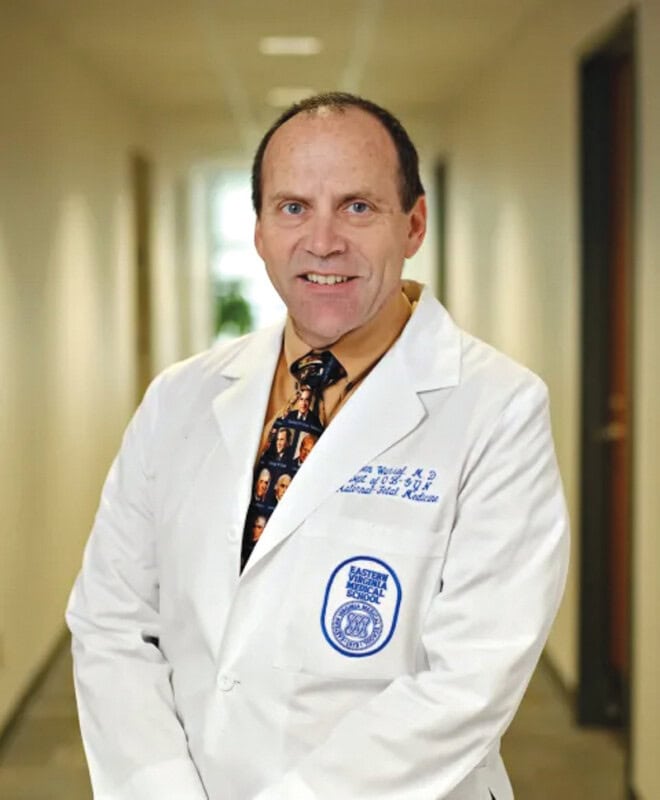
Zerbib, an Israeli medical student in her final year at the Azrieli Faculty of Medicine at Bar-Ilan University, is one of two Israeli students participating in a monthlong exchange program in Norfolk. The program was founded by obstetrician-gynecologist Dr. Steven Warsof.
Through the exchange, Israeli medical students shadow obstetricians and gynecologists at EVMS, gaining firsthand exposure to American women’s healthcare while forming tight knit, sometimes unexpected connections with local physicians and the Jewish community.
“Coming here, you’re a little bit cautious, like ‘Should I be my true self, should I share this identity?’” she says, describing the uncertainty many Israelis feel when traveling abroad during a time of heightened tensions. “And then when the director of the program and the families that are hosting you make you feel like you can… you feel like you’re with family in some sort of way, even though you’re far away from your actual family.”
The program began more than a decade ago after Warsof learned about a new medical school in Safed, Israel, and reached out to establish a professional collaboration. What began as lectures and visits gradually developed into a student exchange supported by local donors.
“It’s been one of the highlights of my professional career,” says Warsof. “The relationships are real. The students gain exposure to a different healthcare system, and the host families gain meaningful personal connections. It’s rewarding on both sides.”
Warsof believes the program’s value extends beyond medicine. “People get to meet Israelis as individuals, not headlines,” he says. “They see students, future doctors, people who are living real lives. That kind of connection matters, especially now.”
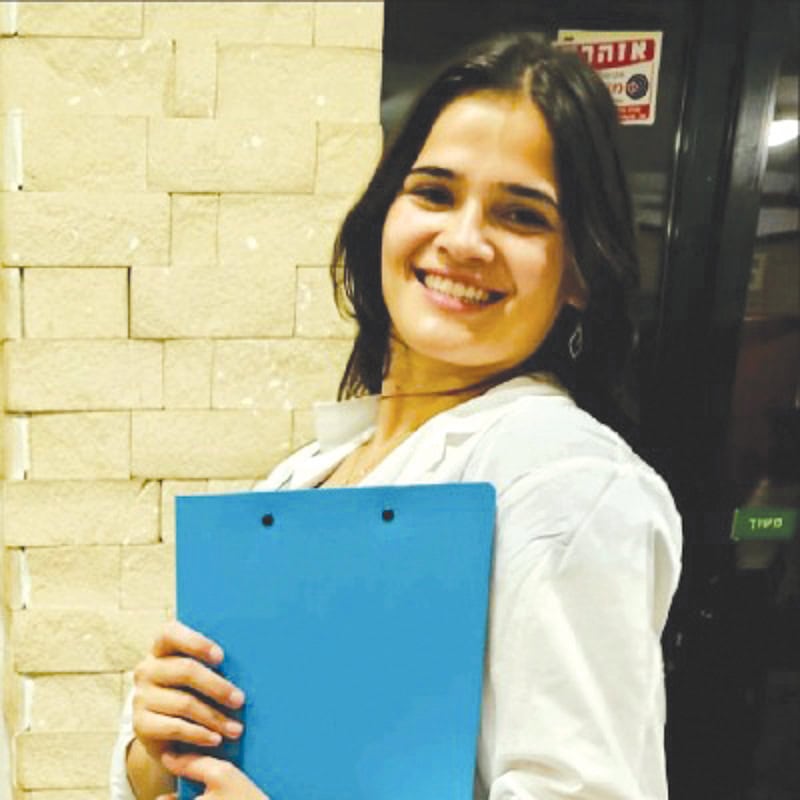
Another participant, final-year medical student Anna Sirota, says the experience offers insight into both American medicine and Jewish community in the United States.
“I think this program is great, not only for our medical education, but also by bringing us here and letting us see how a Jewish community functions in America,” she says.
Sirota says she is struck by the diversity of Jewish practice she has encountered in Norfolk.
“We have a lot to learn from Jewish communities in America because they’re so open to other people’s view of religion,” she says.
Zerbib echoes that sentiment. “It’s been nice to hear their opinions and the way they see Judaism,” she says. “I’ve really appreciated their openness and acceptance.”
While long-distance community building is a central goal of the program, the students also gain firsthand experience with a healthcare system very different from their own.
“These comparisons are important because they broaden your worldview,” Zerbib says. “People think the American system is the most advanced, and in some ways that’s true.. but in Israel, preventive care is very common, and community medicine is very strong. Each system has things the other can learn from.”
Sirota says she was impressed by communication systems in U.S. hospitals and the benefits of shorter physician shifts, but noted the prevalence of chronic illness among younger patients.
“I was surprised to see the volume of patients that had very complicated background diseases,” she says. “For us in Israel, it’s relatively rare for women in their mid-20s and 30s to have conditions like Type 2 diabetes, chronic hypertension, and chronic kidney disease.”
The exchange comes as many Israeli medical students complete portions of their education amid war and instability. Sirota recalls taking exams during missile alerts.
“During those tests, you suddenly hear a siren,” she says. “You stop the test, go to the shelter, come back after 10 or 15 minutes, and then you have to continue the test.”
This reality, she says, required constant mental adjustment. “You have to change your mindset very fast. You’re in danger, and suddenly everything is okay, and you have to be focused for your test.”
Those experiences have shaped the students’ understanding of the role physicians play during times of crisis.
“During war, patients don’t always come just for physical symptoms,” Zerbib says. “Sometimes they come just to talk, to share the stress they’re feeling. The doctor might be the only person they speak to that day. The human connection becomes much more important during times of uncertainty.”
Warsof says programs like this one serve as a reminder that those connections can endure despite distance and conflict.
“Medicine, education, and community don’t stop during war,” he says. “Relationships continue. Learning continues. And those connections help strengthen Jewish communities on both sides of the ocean.”
For both students, the impact is immediate.
“It really felt like when we got here that there’s some sort of flow of connection that’s being kept through us just coming